
How to find a reliable hardware and software distributor for IT infrastructure, engineering systems, licences, cloud services and security
Five practical checks before you sign with a technology distributor: defining your own requirements, verifying authorisation, judging technical expertise, comparing total cost of ownership and assessing delivery across the EU.

Choosing the right technology distributor is an important decision for any business that depends on reliable IT infrastructure, engineering software, cloud platforms and cybersecurity solutions. A reliable distributor does more than supply products: it helps businesses identify suitable technologies, source genuine hardware and software, manage licensing requirements, coordinate deliveries and access technical support when needed.
However, the market includes many different types of providers, from authorised IT distributors and specialised software resellers to cloud service partners and independent technology suppliers. Understanding how to evaluate them is essential for making an informed decision.
In this article we explore the key factors to consider when selecting a reliable technology distributor for your business in Poland and across the European Union. Fixykor reviews all the tips to explain every aspect in detail.
Tip 1: Define your technology requirements before choosing a distributor
The first step is to understand exactly what your business needs. A distributor specialising in computer hardware may not have the expertise required for engineering software, enterprise licensing or complex cybersecurity projects. Start by identifying the technologies, services and support your organisation requires. Typical categories include:
- IT infrastructure: servers, workstations, storage systems, networking equipment and data centre components.
- Engineering systems: CAD, CAM, CAE, BIM, simulation software, industrial computing and specialised engineering workstations.
- Software licences: operating systems, productivity applications, enterprise platforms, database solutions and professional software subscriptions.
- Cloud services: cloud infrastructure, hosted applications, cloud migration solutions, backup services and subscription management.
- Cybersecurity: endpoint protection, firewalls, identity and access management, security monitoring and data protection solutions.
- Technical services: installation coordination, configuration, deployment assistance, maintenance and ongoing support.
A clearly defined scope helps you identify distributors capable of supporting your entire project rather than forcing you to coordinate multiple suppliers without a clear point of responsibility. For businesses with complex IT environments, a distributor with access to several technology categories can also simplify procurement and vendor management.
Tip 2: Verify the distributor’s authorisation and supplier relationships
One of the most important checks is whether the distributor has legitimate relationships with the manufacturers and software publishers whose products it supplies. Authorised distribution channels can help businesses obtain genuine products, valid licences, manufacturer warranties and access to appropriate support resources.
Before entering into an agreement, verify:
- whether the company is an authorised distributor, reseller or service partner for the relevant brands;
- whether its authorisation covers your country and the specific products you intend to purchase;
- whether software licences are issued through legitimate channels;
- whether hardware includes the applicable manufacturer warranty;
- whether the supplier can provide appropriate proof of product origin and licence entitlement.
Unusually low prices, vague licence descriptions and missing documentation are the three warning signs that most often separate a legitimate offer from one that will not survive an audit.
It is important to distinguish between an authorised distributor and an independent reseller. Both may operate legitimately, but their rights, support arrangements and access to manufacturer resources can differ. For software purchases, be particularly careful with unusually low prices, unclear licence descriptions and offers that do not explain the applicable usage rights.
In the European Union, software resale and licence transfers may be subject to specific legal conditions. The legality of a transaction depends on the licence type, its history and the circumstances of the transfer. A reliable supplier should be able to explain what is being sold and provide documentation supporting the transaction.
Tip 3: Evaluate expertise in IT infrastructure and engineering systems
Not every technology supplier has the same level of technical knowledge. The more specialised your environment, the more important it becomes to work with a distributor that understands the products and their practical applications.
For example, an engineering company may require high-performance workstations, professional graphics hardware, specialised software licences and compatibility with existing design workflows. A manufacturer or logistics company may instead need industrial networking, secure servers, edge computing and systems designed for continuous operation.
Look for a distributor that can demonstrate experience with:
- enterprise hardware configurations and component compatibility;
- engineering applications and their hardware requirements;
- software licensing models and subscription management;
- infrastructure scalability and integration;
- cloud architecture and migration requirements;
- cybersecurity products and implementation considerations.
Ask whether the supplier can help identify compatible products, compare technical specifications and coordinate with manufacturers when a project involves complex requirements. A knowledgeable distributor should be willing to clarify technical limitations rather than simply recommend the most expensive product.
Tip 4: Compare pricing, total cost of ownership and commercial terms
Price is an important factor, but the lowest initial quotation does not always represent the best value. A technology purchase can involve hardware, licences, subscriptions, maintenance, implementation and future renewal costs. Comparing only the upfront price may result in unexpected expenses later. When reviewing offers, consider the following:
- Hardware costs: equipment, components, accessories, shipping and applicable taxes.
- Licensing costs: initial licence fees, recurring subscriptions, user limits and upgrade rights.
- Cloud expenses: compute resources, storage, data transfer, support plans and usage-based charges.
- Maintenance: warranty extensions, software updates and service agreements.
- Implementation: installation, configuration, migration and integration.
- Renewals: subscription increases, contract terms and renewal deadlines.
- Downtime risks: the potential business impact of delayed deliveries or inadequate support.
Request a detailed quotation that identifies each item, its quantity, the applicable currency, delivery terms and any additional charges. For cloud services and subscription-based software, ask for a clear explanation of recurring costs and the conditions under which charges may change. A dependable distributor should make commercial terms understandable and provide enough information for you to compare competing offers fairly.
Tip 5: Assess stock availability and delivery capabilities across the EU
Reliable delivery is essential when a technology purchase supports a critical business project. Delays involving servers, networking equipment, engineering workstations or security appliances can affect implementation schedules and business operations.
When selecting a distributor, evaluate its ability to coordinate sourcing and delivery in the locations where your company operates. Important questions include:
- does the distributor maintain local stock or source products on demand?
- can it provide realistic delivery estimates?
- does it serve your required locations in Poland and other EU countries?
- can it coordinate multi-site deliveries?
- does it provide shipment tracking and delivery documentation?
- how does it handle backorders, damaged goods and unexpected delays?
- are cross-border shipping costs, taxes and delivery responsibilities clearly defined?
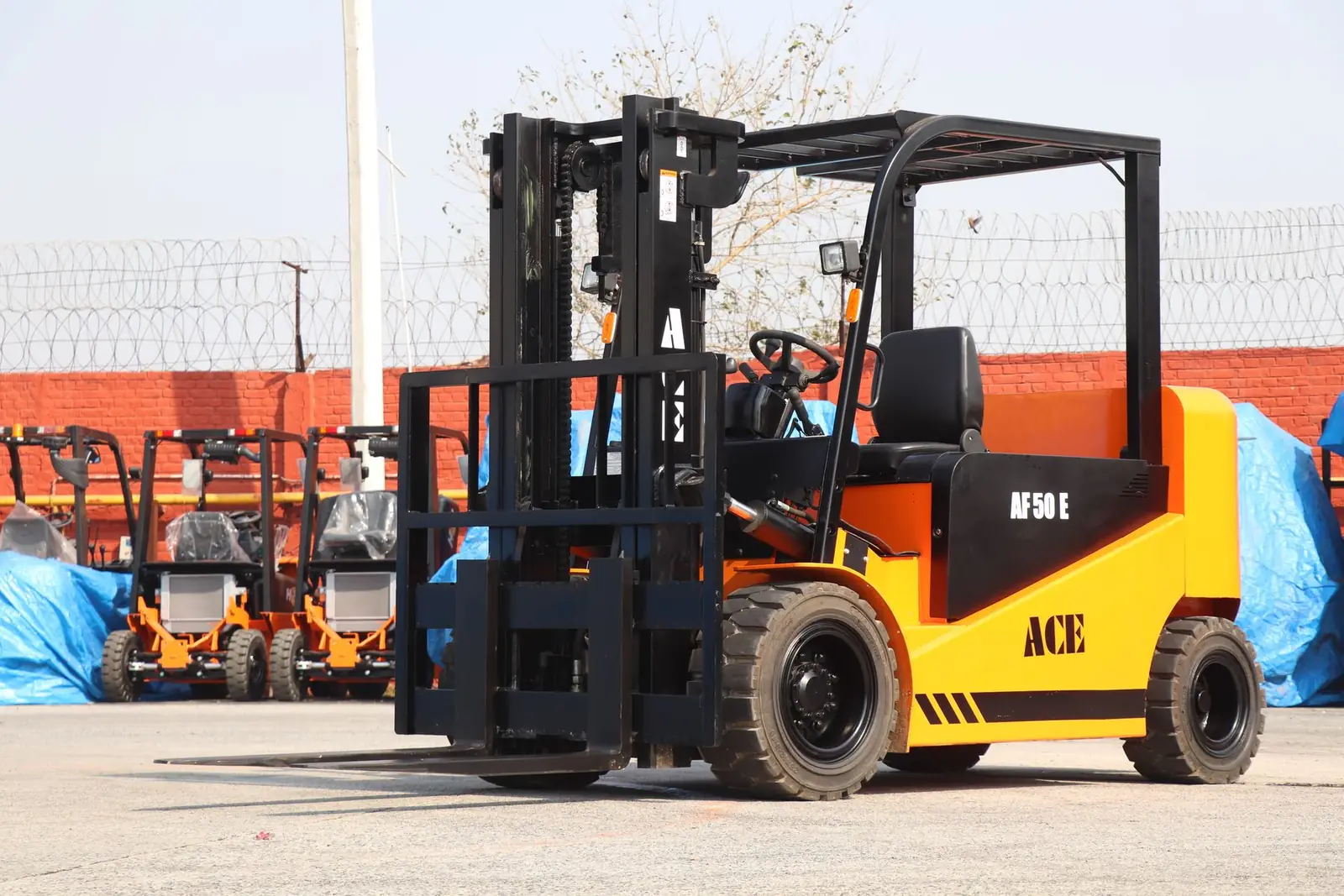
A professional supplier should distinguish between confirmed stock, expected availability and estimated lead times. This is particularly important for specialised engineering equipment and enterprise hardware that may have longer manufacturing or distribution cycles.
For international projects, confirm the delivery terms and determine who is responsible for transportation, insurance, customs formalities where applicable, and any import requirements.
Within the EU, many cross-border transactions benefit from the single market, but VAT treatment and other obligations still depend on the parties, the transaction structure and the applicable rules.
To sum up
At Fixykor we make a specialty out of sourcing, delivering and supporting technology for businesses across Poland and the European Union. We help organisations navigate technology procurement, identify suitable hardware and software solutions, coordinate deliveries, and access the products and support their operations require.
Looking for a reliable technology partner for your next IT project? Contact us to discuss your requirements and discover how we can support your business with professional technology sourcing, delivery and service across Poland and the EU.
Planning a hardware or software purchase?
Send us the specification, the parts list or the renewal dates. We will come back with options, availability, licensing models and pricing.
Talk to us →Send us the bill of materials. We will find the hardware and the licences.
Fixykor is a hardware and software distributor for IT infrastructure, engineering systems, licences, cloud services and security — sourcing, delivering and supporting technology for businesses across Poland and the European Union.